

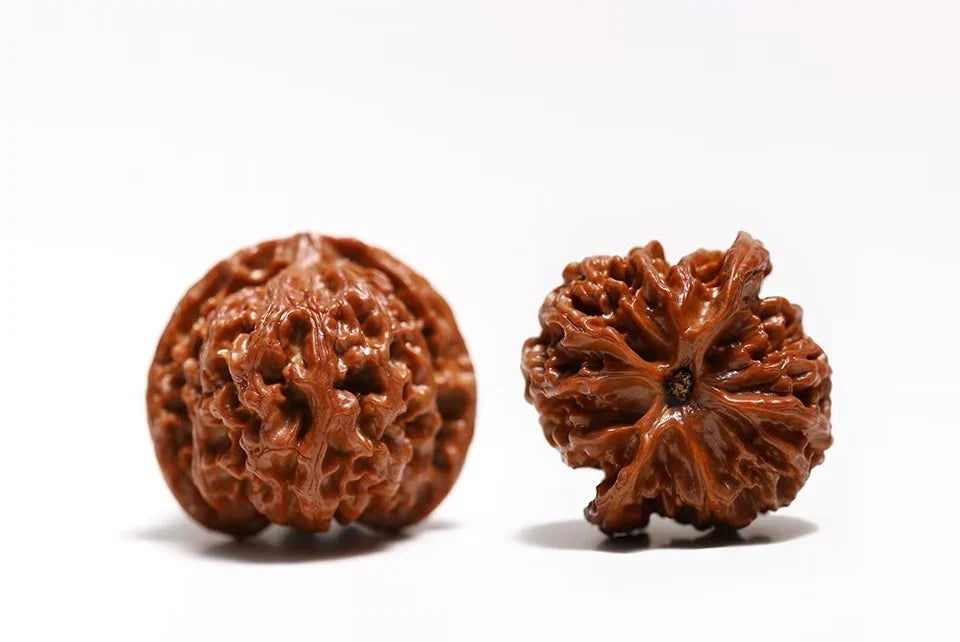
Different shell angles reveal the grooves and contours to inspect.
Wenwan walnut care can sound complicated when every video offers a different schedule, brush, or shortcut. A more useful starting point is simple: handle your pair gently, keep it dry, remove loose surface dust without force, and ask questions before applying anything to it.
This guide is a conservative routine for a pair supplied ready for hand-play. It is not a restoration guide for damaged, dirty, freshly harvested, or previously treated walnuts. If your seller gives instructions specific to the pair’s preparation or finish, clarify those details before making changes.
First, understand the starting condition
Before the first session, look at both walnuts in clear light. Take a few photographs of their bases, seams, and most recognizable ridges. Note anything the seller disclosed, including repairs, existing marks, or surface treatments.
These pictures help you distinguish something that was already present from a later change. If the surface feels sticky or oily, or you notice an unexpected coating, ask the seller what was applied. Do not assume every pair arrives in the same condition.
Handle with clean, dry hands
Begin when your hands are clean and dry. If you have just washed them, let them dry fully. If you have just applied hand cream, sunscreen, or another product, postpone the session until you can avoid transferring residue.
Move the pair comfortably and without force. You are not trying to grind the shells against each other. Use a soft surface underneath while learning, and put the pair down whenever your hands need to do something else.
Use a soft, dry brush for loose dust
For routine surface dust, use a clean, dry brush with soft bristles. Work lightly around the contours rather than pressing hard into every groove. Check that the brush itself is free of grit or residue before bringing it to the shells.
A brush is not a reason to scrub a pair continuously. Stop if bristles snag, the surface changes unexpectedly, or material seems firmly attached. Metal tools, sharp picks, and aggressive scraping are poor starting points for an unfamiliar natural object.
Skip the universal brushing formula
You may encounter advice to brush for a fixed number of minutes or to follow a strict ratio of brushing to handling. We do not use a universal formula here. Different starting conditions and personal routines make an exact schedule difficult to justify.
Inspect the pair, remove loose dust gently when needed, and keep the routine manageable. More effort is not automatically better care. If a seller recommends a special process, ask what it is intended to address and whether it applies to your specific pair.
Keep storage simple
Put the pair away dry in a protective pouch or case, with enough protection to avoid hard impacts. Keep the storage clean and choose a place away from direct heat, splashes, and sharp objects. Do not leave the walnuts loose with keys or other items that can strike their surfaces.
If the storage or pair becomes damp, do not seal it away while wet. Avoid using a heater, oven, or hair dryer as a quick fix. Ask the seller for advice about the particular exposure and condition before trying a more involved treatment.
Avoid shortcuts to color
Do not add oil, dye, polish, detergent, or a household coating simply because a video promises faster results. An added substance changes the starting material and may make future care harder to understand. Soaking is also outside this routine.
Patina is not a deadline. A pair that changes slowly does not need an emergency intervention. If documenting the surface matters to you, record any substance or treatment that has been applied instead of presenting the result as handling alone.
Know when to pause
If you notice a new crack, persistent unusual odor, suspicious residue, or an unexplained surface change, pause handling and contact the seller with clear photographs. Do not label a problem “normal patina” just because it appears during use.
A photograph may not be enough to identify the cause, and this guide cannot diagnose mold or other damage remotely. Keep a concerning pair separate while you seek advice. Never put hand-play walnuts in your mouth or treat them as food.
Keep the experience enjoyable
The pair is there to be explored, not to create a demanding maintenance job. Stop if the texture or motion is uncomfortable, avoid walnuts if you have a walnut allergy, and keep them away from young children and pets.
Bookmark the shorter Care page for everyday reference. For movement, see How to Begin. If you want to observe changes without chasing a result, use our 100-day journal guide.
What if a walnut rattles inside?
An internal rattle is different from the click of two shells touching. Sound alone does not prove that a walnut is fake or establish what is moving inside it. Note when you first heard it, whether the pair was dropped or became damp, and whether anything visible changed.
If the sound is new after an impact, or you notice a crack, loose area or unusual residue, pause handling and contact the seller with clear photographs and a short recording. Avoid drilling, soaking or applying oil as a diagnostic test. The rattling question in this beginner discussion shows the uncertainty people encounter; the comments are not a diagnosis of your pair.
For surface contact sounds during movement, use the practical adjustments in our rolling guide.