

Orbit Nuts
About Orbit Nuts
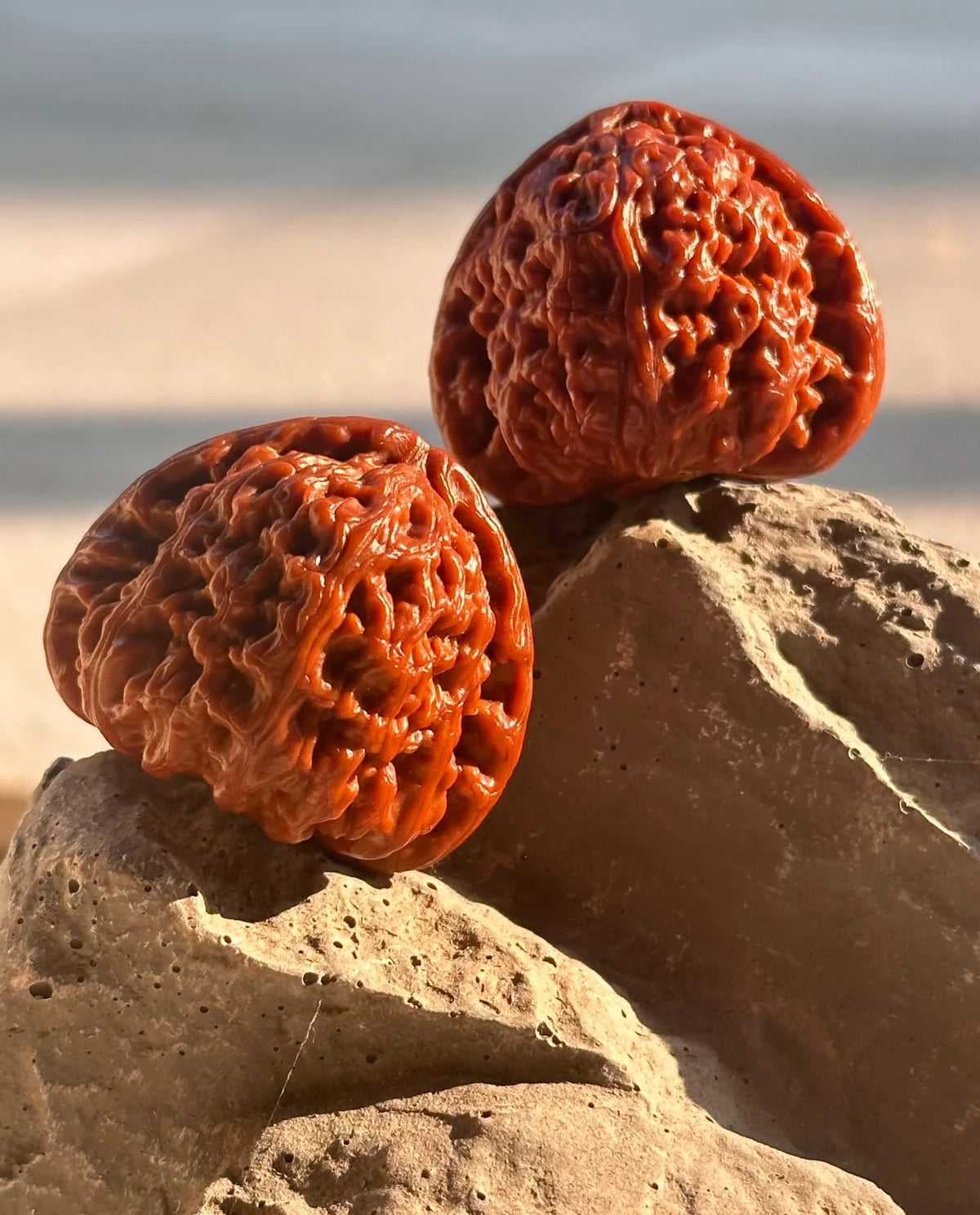
Wenwan walnut pairs
A little time, in your hands.
Two real walnuts. A landscape of ridges and grooves. A small movement you can return to during an ordinary day.
Orbit Nuts is a place to begin with wenwan walnut pairs: natural objects selected for handling, appreciated for their character, and made personal through time. Think of them as a natural fidget toy with something more to notice each time you pick them up.
A practice with Chinese roots
Wenwan walnuts belong to a Chinese tradition of selecting, pairing, handling, and collecting objects. Their shells invite attention to shape and texture; a pair brings two naturally different forms into conversation.
You do not need to know every variety name to appreciate that tradition. Begin by learning what you are holding. Notice how the two pieces relate, ask about their preparation, and let your understanding develop alongside your experience. We use the name wenwan because that cultural context belongs with the object.
The interest is in the details
A ridge your thumb recognizes. A comfortable way to turn the pair. The small differences that let you tell one walnut from the other without looking closely.
These are objects you get to know. Some people enjoy their firm texture and open-ended movement. Others are drawn to the visual balance of a matched pair or the surface character that can develop through regular handling and care.
Over time, a pair may show changes in color and sheen, often described as patina. Each begins differently. There is no required finish to reach, and a subtle change can be just as interesting as a dramatic one.
A clear place to begin
Our approach centers on useful product details, straightforward guidance, and room for your own preferences. Measurements help you consider fit. Clear photographs help you understand shape and condition. Knowing about any surface treatment helps you care for the pair you actually receive.
You can start slowly, try one walnut before two, and find a movement that feels comfortable. A soft brush and a dry place to keep the pair support a simple routine. The practice does not need to take over your day.
Make the story your own
Take a first photograph. Keep a few notes. Return when you feel like it. The meaning of the pair can come from the moments you spend with it.
Explore First Pairs, read How to Begin, or follow the idea behind The 100-Day Project.